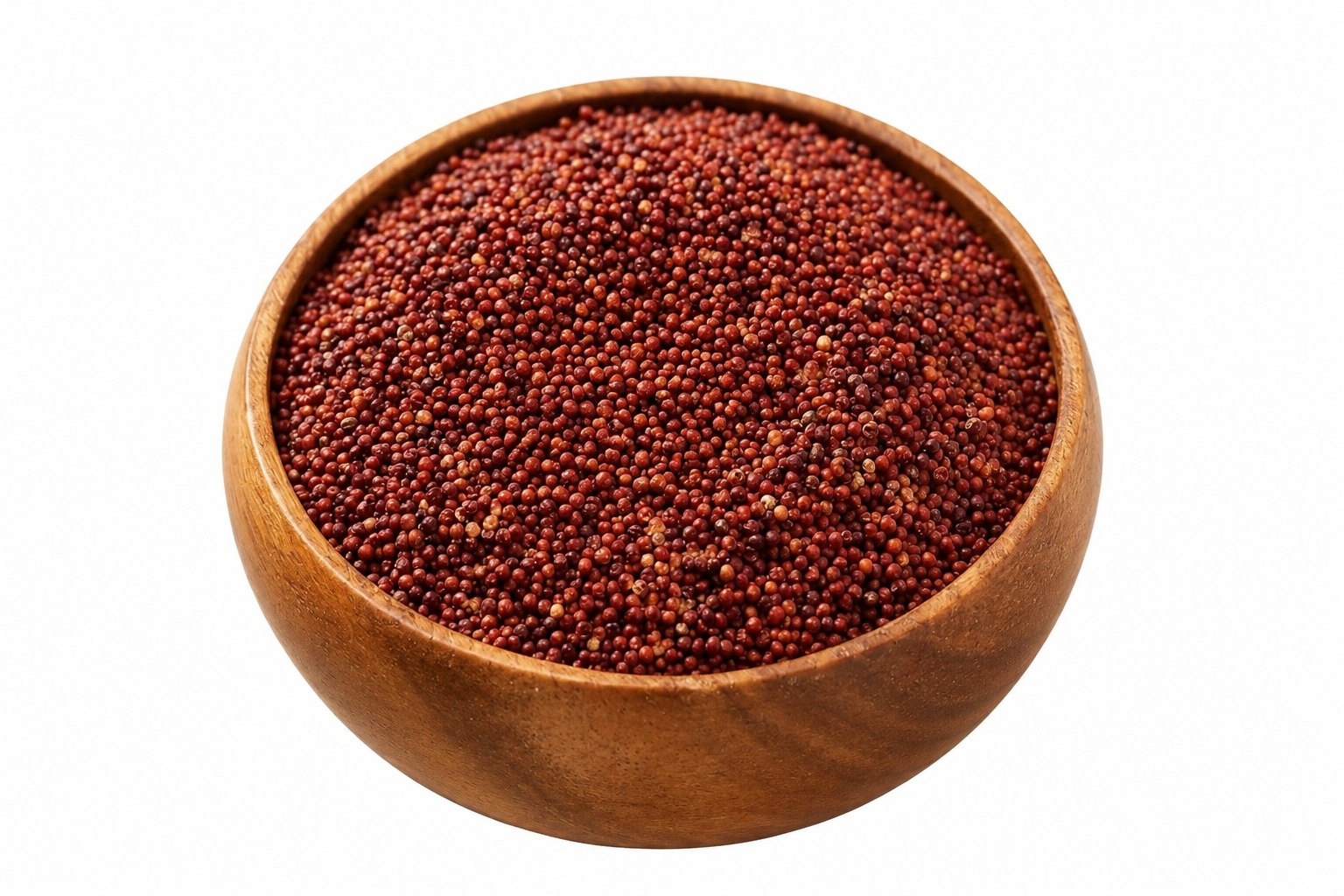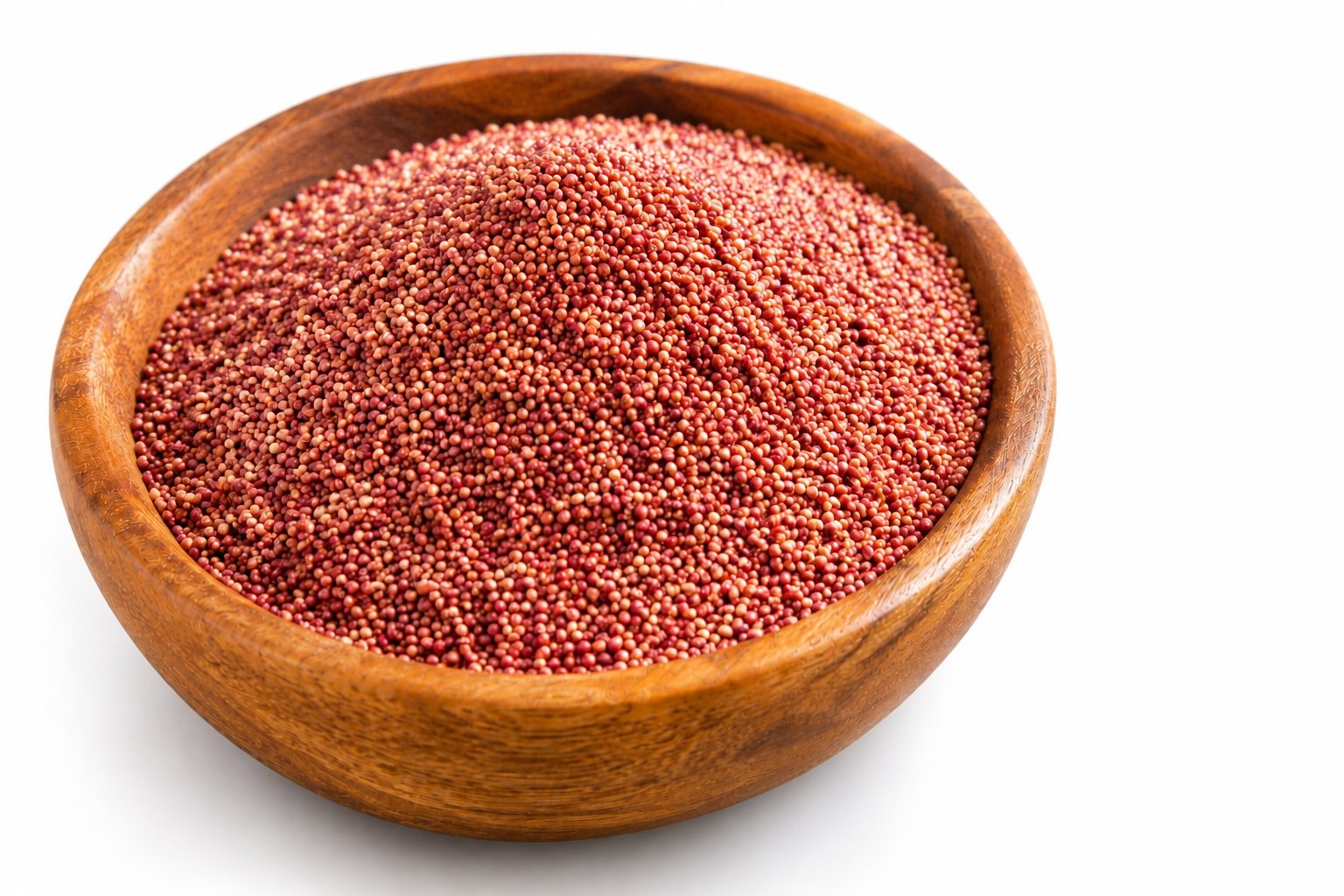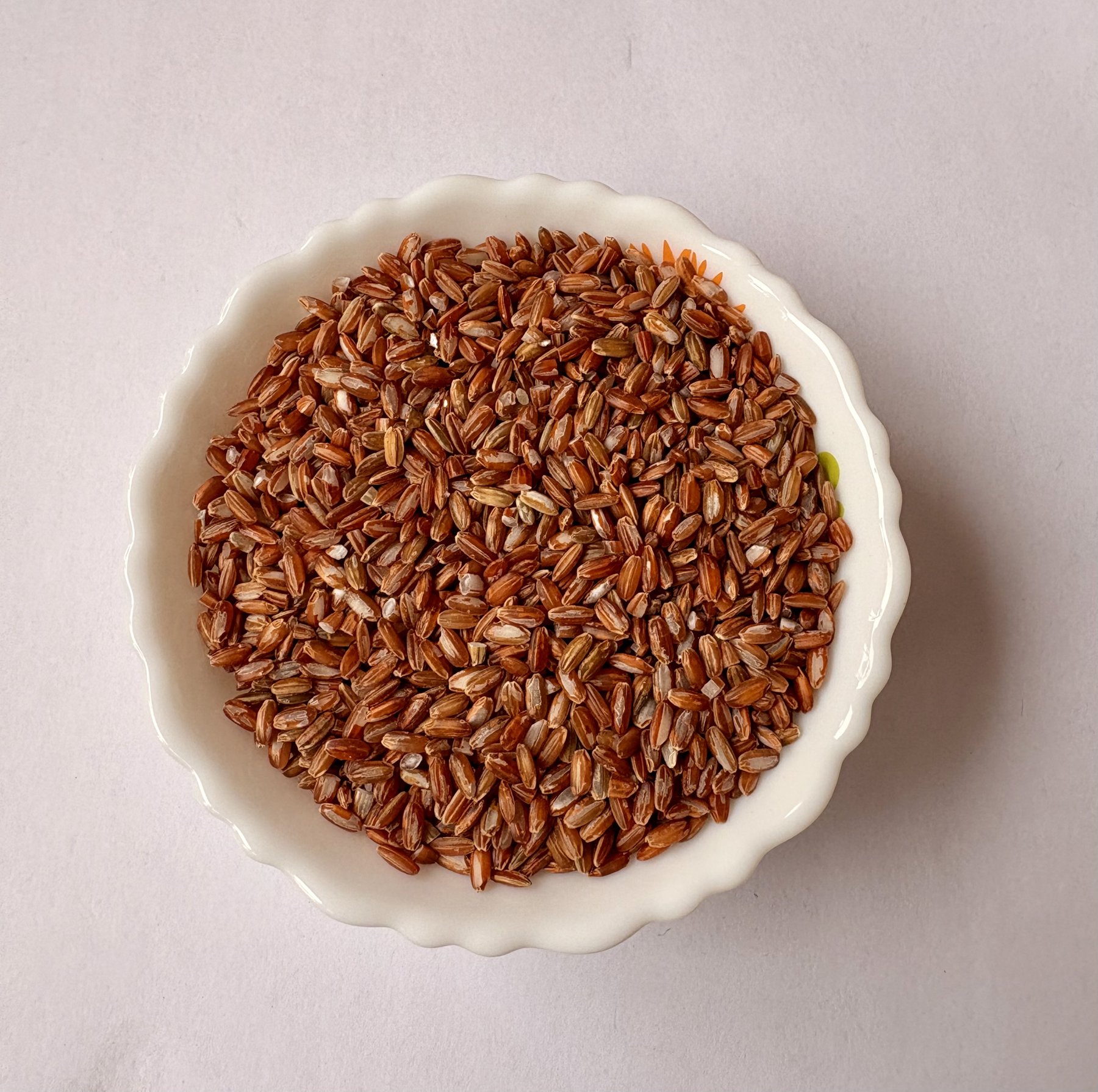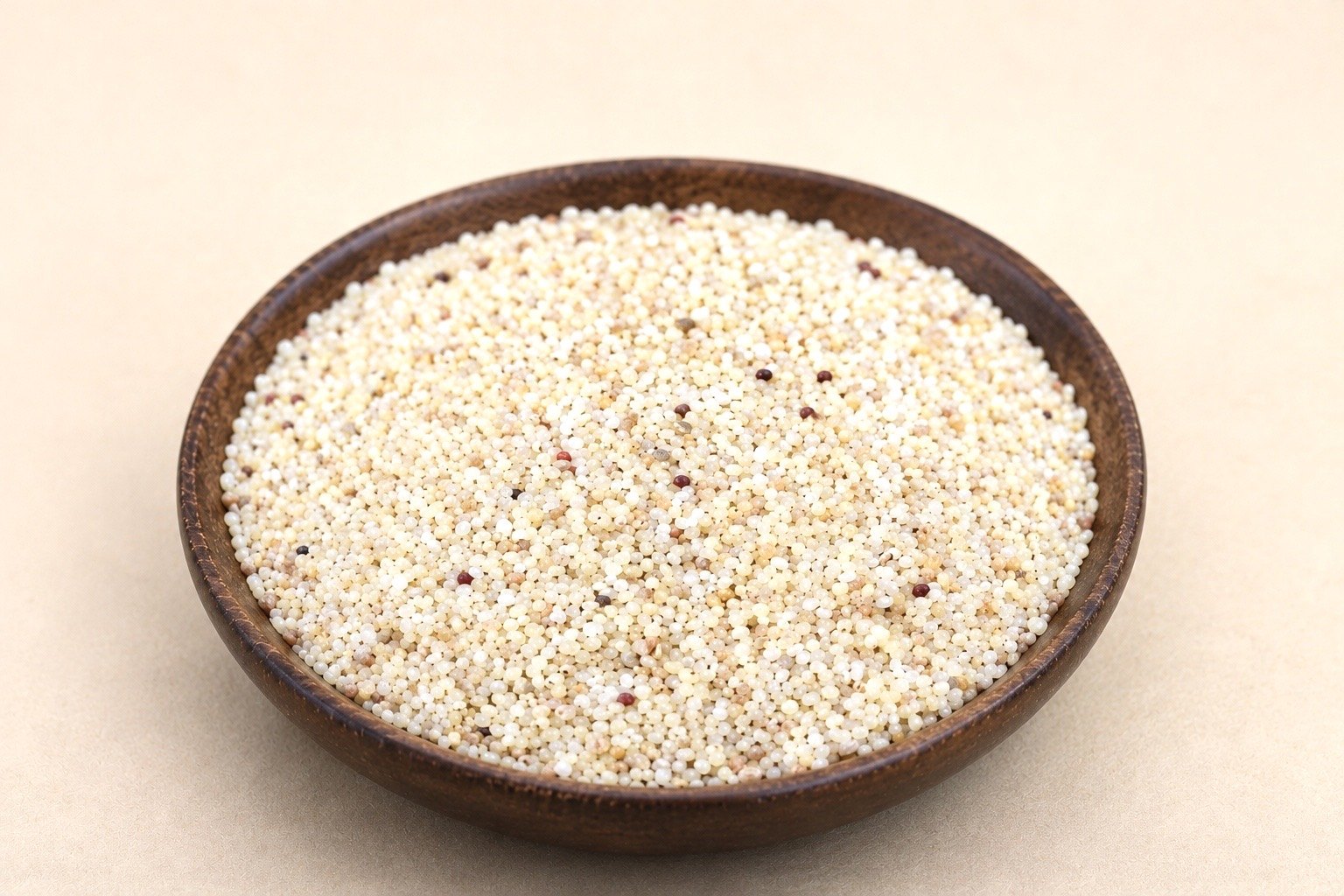
(Madira)
A Traditional Grain of the Himalayan Hills. Rooted in the Agricultural Heritage of Uttarakhand.
Across the terraced hills of Uttarakhand, Barnyard Millet (Jhangora) — also known as Madira — has long been cultivated by farming communities in the Garhwal and Kumaon regions. Adapted to the mountain landscape and seasonal rainfall, this traditional grain reflects the resilience and agricultural knowledge of the Himalayan hills.
Uttarakhand Jhangora is recognised under India’s Geographical Indications framework, acknowledging its association with the state and its farming heritage. The GI Registry records it under Application No. 841 and Certificate No. 516, with Uttarakhand as its registered geographical area.
Grown in rain-fed and marginal hill-farming areas, Barnyard Millet (Jhangora) remains part of Uttarakhand’s diverse traditional cropping systems. Naturally providing dietary fibre, plant protein and minerals such as iron and phosphorus, this heritage grain offers a distinctive regional identity alongside relevance for today’s alternative-grain and health-focused food markets.
More than a millet — Jhangora represents the agricultural character of Uttarakhand’s Himalayan foothills, where farming has always required an understanding of altitude, rainfall, terrain and the changing seasons. Its place in the region’s fields is part of a wider heritage of resilient crops and local knowledge passed from one generation to the next.
As interest grows in traditional grains and diversified grain ingredients, Jhangora offers food manufacturers and ingredient buyers an opportunity to work with a crop that has a clear regional identity. Its naturally occurring fibre, protein and mineral content adds to its relevance in the evolving market for heritage grains and alternative grain ingredients.
At EasternRidge Organics, we are proud to share Uttarakhand’s GI-recognised Jhangora with global markets — bringing forward a traditional Himalayan grain whose identity is shaped by its landscape, agricultural heritage and generations of cultivation.
Registered as Uttarakhand Jhangora under India’s Geographical Indications framework, with Uttarakhand as its registered geographical area.
| Nutrient | Value |
|---|---|
| Energy | 307 kcal |
| Protein | 6.2 g |
| Total Fat | 2.2 g |
| Carbohydrates | 65.5 g |
| Calcium | 20 mg |
| Phosphorus | 280 mg |
| Magnesium | 82 mg |
| Zinc | 3 mg |
| Iron | 5 mg |
| Thiamine (Vitamin B1) | 0.33 mg |
| Riboflavin (Vitamin B2) | 0.10 mg |
| Niacin | 4.2 mg |
Reference values per 100 g — NITI Aayog (April 2023) — Source: NITI Aayog, “Promoting Millets in Diets: Best Practices across States/UTs of India” (April 2023), Annexure 1, citing the Indian Food Composition Tables 2017 and “Nutritive Value of Indian Foods” (2004), National Institute of Nutrition.