Who We Are Founders Our Origin Regions Products Tea Quality Work With Us Contact
Downloads Product Portfolio Coming soon Catalogue Coming soon Tea Catalogue Coming soon
Chat on WhatsApp
Himalayan Ashwagandha Root — Uttarakhand
Botanical Ingredient
Himalayan OriginBotanical Ingredient

Himalayan Ashwagandha Root

A Revered Botanical Root. Cultivated in the Landscapes of Uttarakhand.

OriginUttarakhand
Botanical NameWithania somnifera (L.) Dunal
Plant PartRoot only
FamilySolanaceae
FormsWhole / Cut / Powder

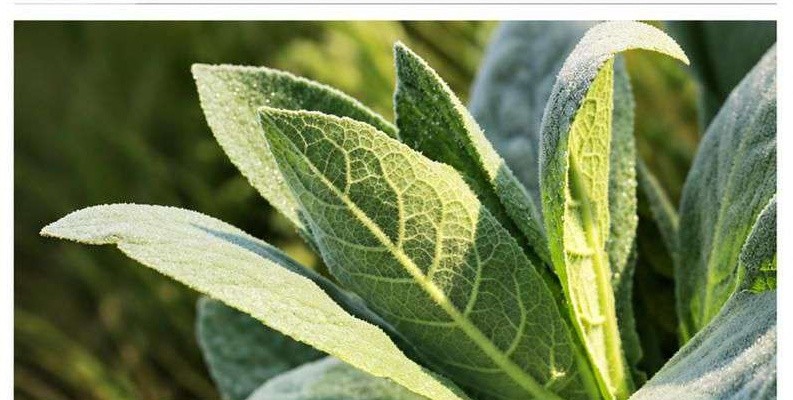
Across the foothill landscapes of Uttarakhand, Ashwagandha (Withania somnifera (L.) Dunal) is recognised as an important botanical of India’s traditional plant heritage. Belonging to the Solanaceae family, this perennial herb is valued in botanical trade primarily for its roots.

The species has a documented cultivation and research presence in Uttarakhand. A National Medicinal Plants Board project undertaken with the Forest Research Institute, Dehradun, included Withania somnifera among the medicinal plants studied for agro-mediculture models in the then Uttaranchal. More recently, a published 2026 study examined the ‘Pratap’ variety cultivated at a nursery in Haridwar, Uttarakhand.

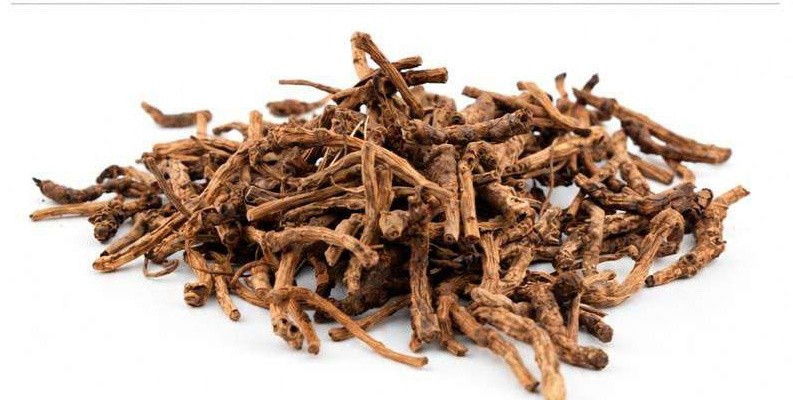
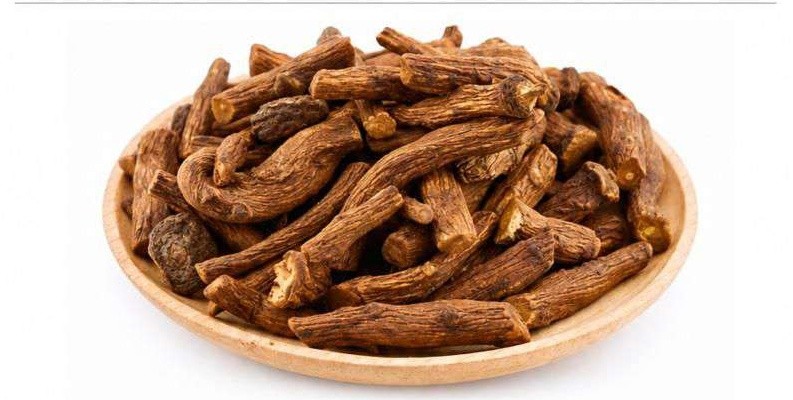
Ashwagandha is distinguished by its robust root system, which is the recognised plant part used in the Ayurvedic Pharmacopoeia of India and in official Ministry of Ayush technical material. The roots are traded as a botanical raw material for further processing, including cleaning, grading, cutting and powdering according to buyer requirements.

More than a root — Ashwagandha roots bring together a recognised botanical identity, an established place in Indian pharmacopoeial literature and documented cultivation activity in Uttarakhand. For ingredient buyers, they offer a clearly identified botanical raw material whose quality can be assessed lot by lot against agreed specifications and applicable market requirements.

Trade Specifications
Origin
Uttarakhand
Packaging
Bulk packing as per buyer requirement
MOQ
On request
Shelf Life
Established per lot and packaging
Price
On Request
Export Availability
Confirmed

Product Specification

Whole Dried Roots / Cut Dried Roots / Root Powder

Appearance
Root pieces; external colour and cut surface confirmed by inspection against the pharmacopoeial reference and agreed grade
Odour
Characteristic
Taste
Bitter — verified against the supplied lot
Processing
Cleaning, drying, cutting, sorting and powdering, as applicable
Shelf Life
Established from product condition, packaging and stability data
Packaging
Bulk packing as per buyer requirement

Plant part: root only. Store in a cool, dry, well-ventilated place, protected from moisture, direct sunlight and contamination.

Composition & Actives

Pharmacopoeial Reference — Ayurvedic Pharmacopoeia of India, Part I, Vol. VIII (2011), Aśvagandhā (Root)Naturally Occurring Constituents — Withanolides and alkaloids (Ministry of Ayush dossier)Withanolides / Marker Assay — No percentage claimed — validated batch-specific test on requestTotal Alkaloids — No percentage claimed — agreed validated method on request

Applications

  • Import & distribution of whole or cut roots as botanical raw material
  • Ayurvedic & traditional-medicine manufacturers (where permitted)
  • Botanical processors — cleaning, grading, cutting & powdering
  • Ashwagandha root powder & root extract manufacturing
  • Nutraceutical & health-supplement ingredient evaluation
  • Research organisations & analytical laboratories

Key Benefits

  • Official root monograph — the Ayurvedic Pharmacopoeia of India includes a dedicated Aśvagandhā (Root) monograph
  • Recognised botanical identity — the Ministry of Ayush technical dossier identifies Withania somnifera (L.) Dunal, family Solanaceae, with root as the part used
  • Documented Uttarakhand activity — a National Medicinal Plants Board project with FRI Dehradun included the species; a 2026 paper documents the ‘Pratap’ variety in Haridwar
  • Clear plant-part compliance — specified as root; FSSAI’s 16 April 2026 advisory confirms only roots and root extracts, not leaves, are permitted in the relevant regulated food categories, subject to prescribed conditions
  • Ingredient processing potential — dried roots can be supplied for cleaning, grading, cutting, powdering or extraction to buyer specifications
  • Buyer-specific standardisation — withanolide and other marker requirements agreed and verified through batch-specific laboratory analysis rather than assumed
Quality Assurance & Disclaimer. Product identity, Uttarakhand origin, physical condition and quality parameters must be verified for each supplied lot through appropriate inspection and, where required, batch-specific laboratory analysis and a Certificate of Analysis (COA). The cited Ayurvedic Pharmacopoeia monograph is the official root-specific reference; buyers should identify the applicable edition and required tests for their intended product category. No withanolide, alkaloid, moisture, microbiological, heavy-metal, aflatoxin or pesticide-residue value is guaranteed unless supported by the relevant lot-specific test report. FSSAI’s advisory dated 16 April 2026 confirms that only Ashwagandha roots and root extracts — not leaves — are permitted in the specified health supplement, nutraceutical and related food categories, subject to prescribed limits. Buyers and suppliers must confirm lawful product classification, intended use, import requirements and compliance with destination-market regulations before commercial supply. No therapeutic or disease-treatment claim is made, and no organic certification is claimed.

Research & Official References

  1. Pharmacopoeia Commission for Indian Medicine & Homoeopathy, Ministry of Ayush – Ayurvedic Pharmacopoeia of India, Part I, Volume VIII (2011), monograph Aśvagandhā (Root)
  2. Central Council for Research in Ayurvedic Sciences, Ministry of Ayush (2024) – Ashwagandha – Safety Dossier 2.0, Technical Specifications
  3. National Medicinal Plants Board – Project UA-134/2001-02, “Development of Agro-mediculture models for sustainable diversified farming in Uttaranchal, U.P., Punjab, Haryana & Rajasthan”; FRI, Dehradun
  4. Balkrishna et al. (2026). “HPLC-based phytochemical characterization of ashwagandha Pratap [Withania somnifera (L.) Dunal] cultivated in the soils of Haridwar, Uttarakhand.” Current Agronomy, 55(3), 45–56. DOI: 10.2478/cag-2026-0005: https://doi.org/10.2478/cag-2026-0005
  5. Food Safety and Standards Authority of India (16 April 2026) – Advisory on non-use of Ashwagandha (Withania somnifera) leaves in food products, F. No. RCD-15001/11/2021-Regulatory-FSSAI

Interested in Himalayan Ashwagandha Root?

Tell us the form, quantity and destination — your request arrives on our trade desk’s WhatsApp, ready to price.

Related Origins