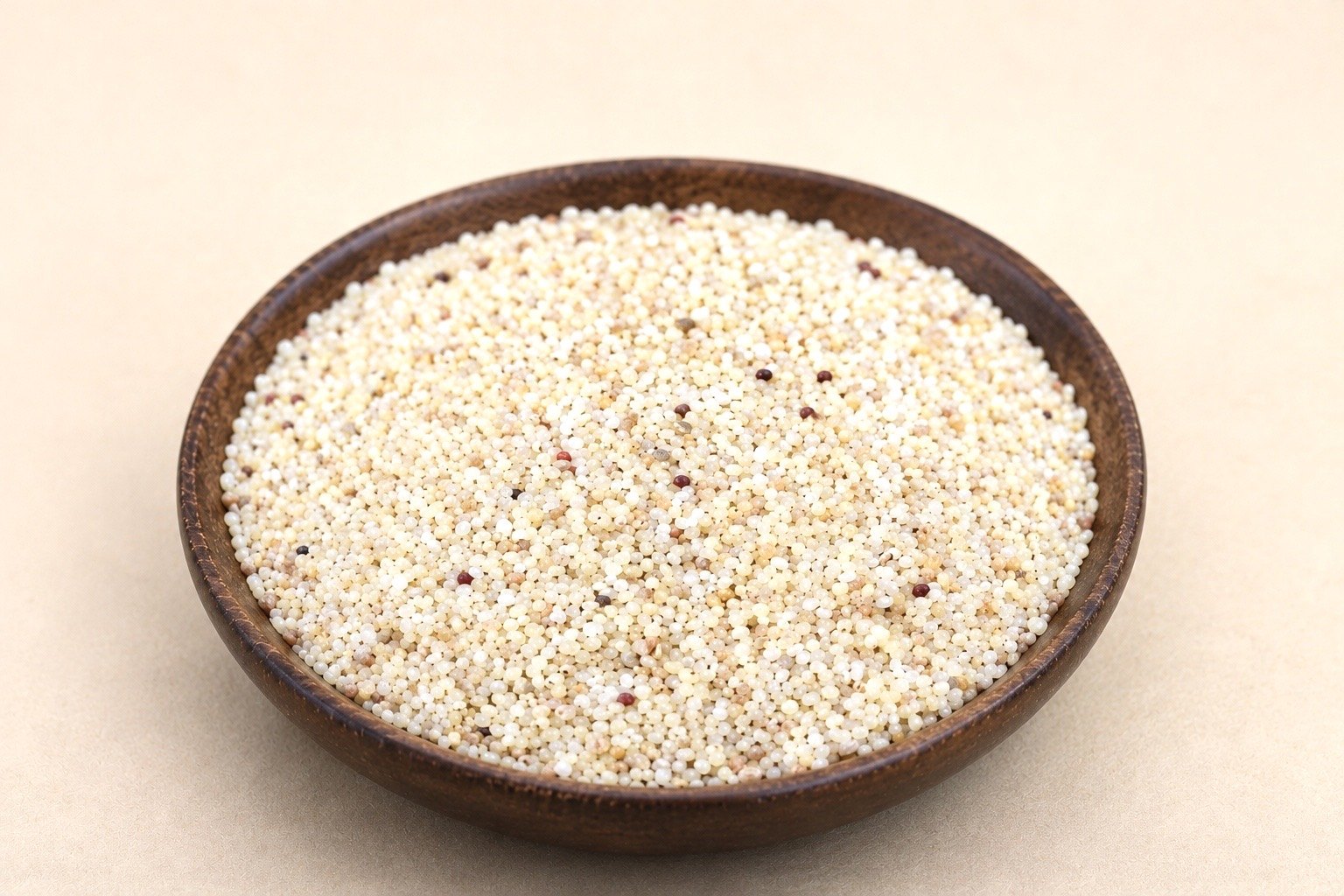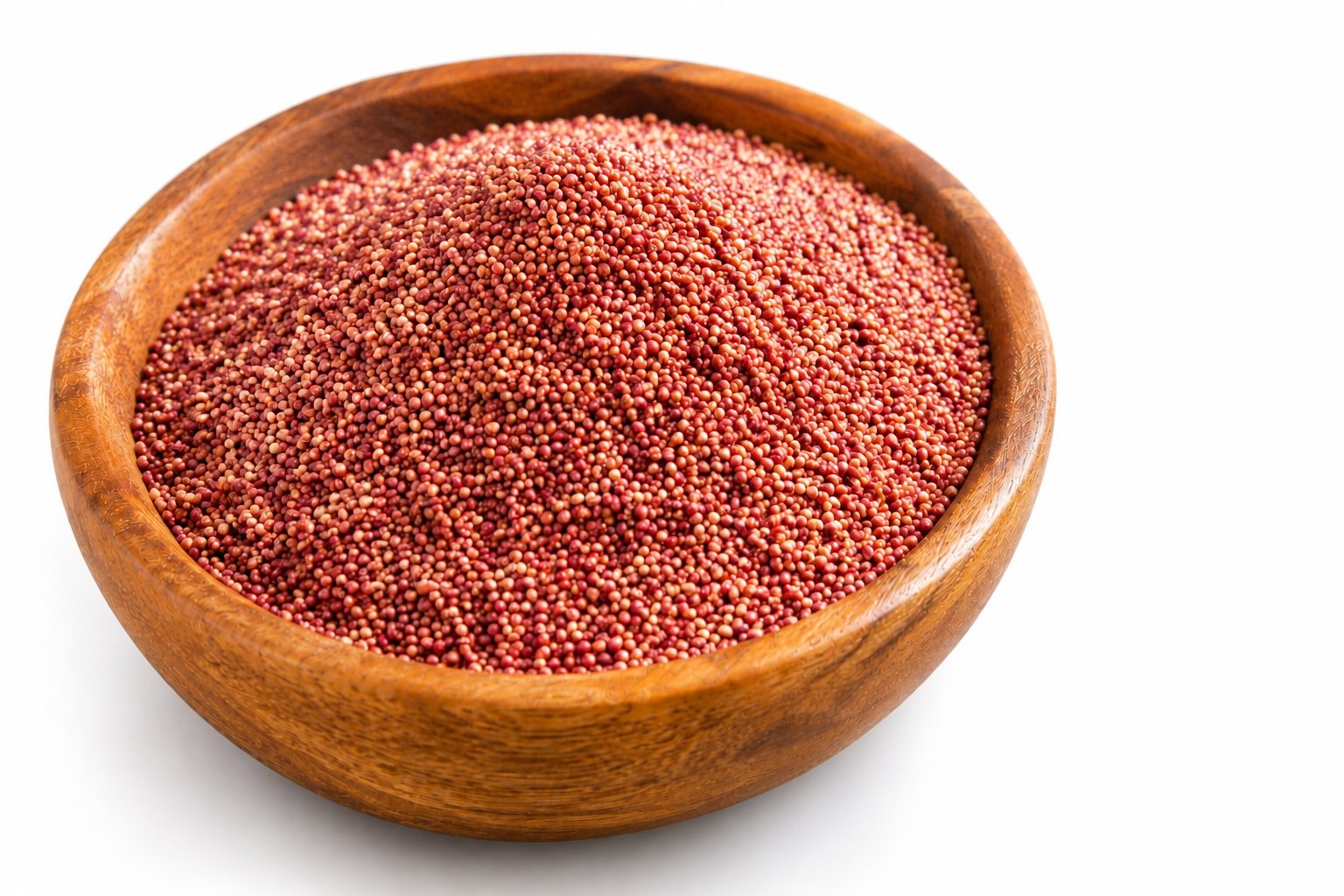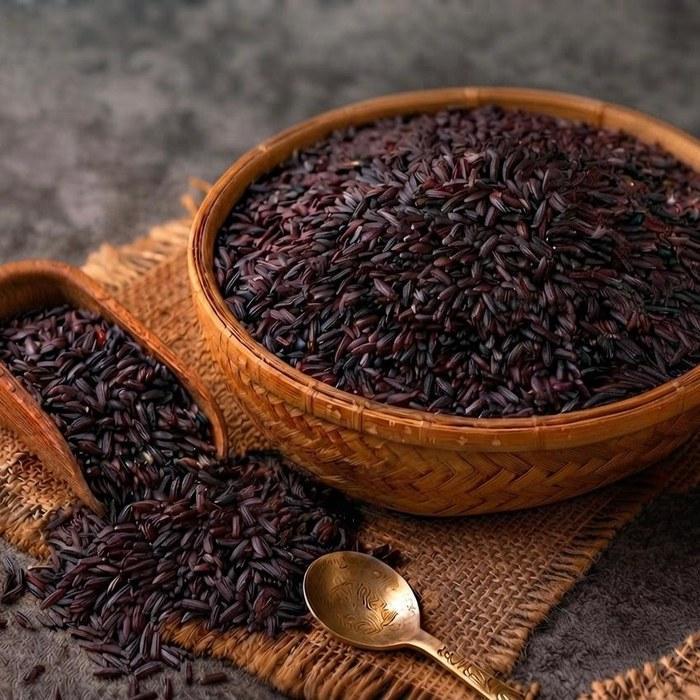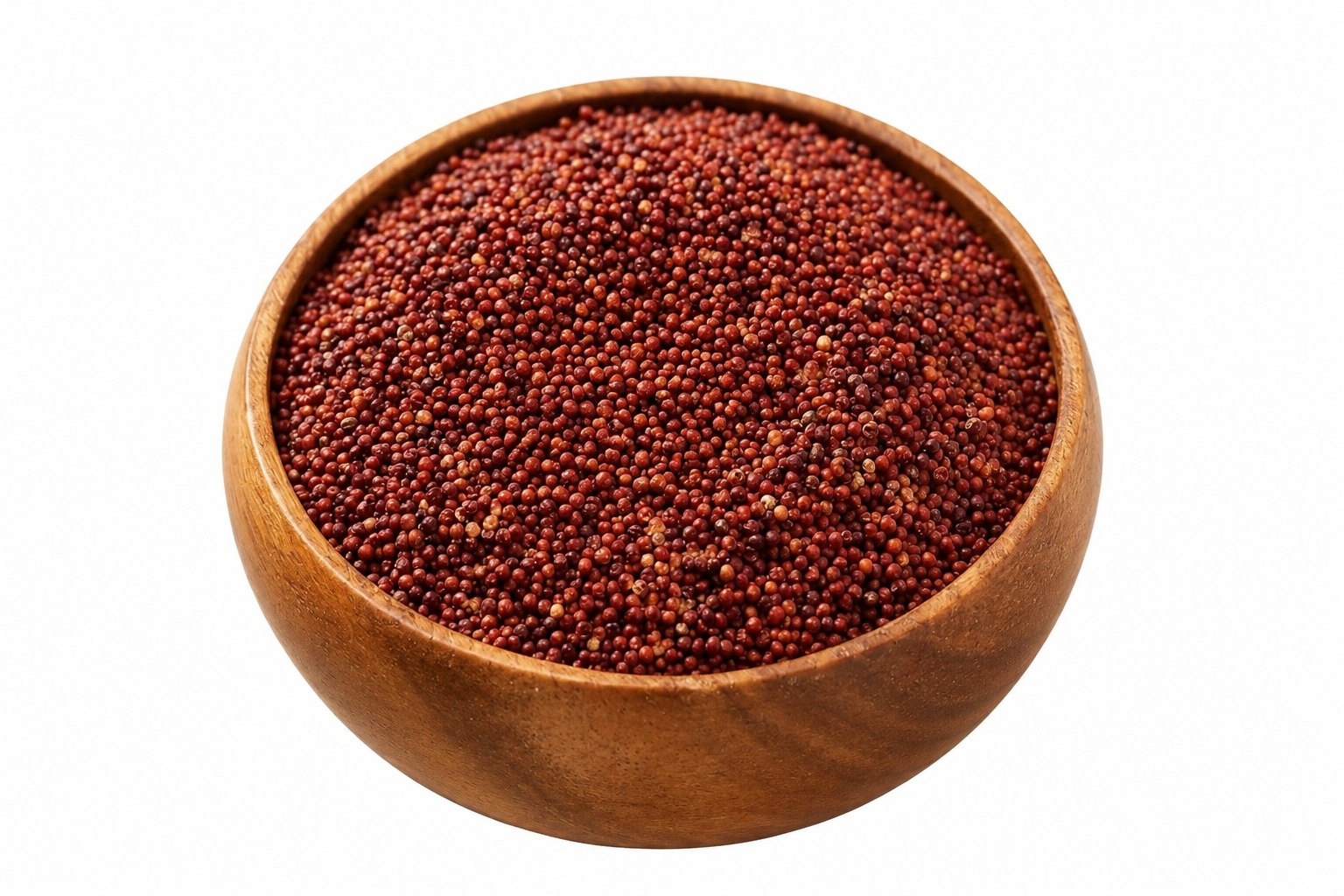
(Manduwa / Ragi)
A Resilient Grain of the Himalayan Hills. Rooted in Tradition. Valued for Its Nourishment.
Across the Himalayan landscapes of Uttarakhand, Finger Millet (Mandua) has long been cultivated by farming communities in the hill regions. Adapted to varied elevations and rain-fed growing conditions, this hardy grain is part of the agricultural heritage shaped by the mountains, the seasons and generations of local farming knowledge.
Recognising this strong connection with its place of origin, Uttarakhand Mandua is registered under India’s Geographical Indications framework. The official GI Registry records it under Application No. 835 and Certificate No. 515, with Uttarakhand as its registered geographical area.
Traditionally grown as part of the region’s diverse hill agriculture, Finger Millet is valued today for its naturally occurring nutrients, particularly calcium and dietary fibre. Its enduring place in Uttarakhand’s farming landscape, together with its nutritional profile, gives this traditional millet relevance for international buyers seeking distinctive, nutrient-rich alternative grain ingredients.
More than a millet — Finger Millet is more than a traditional hill crop. It reflects the agricultural character of Uttarakhand, where farming has adapted over generations to mountain terrain, seasonal rainfall and varied growing conditions. Its continued cultivation preserves a valuable part of the region’s food and farming heritage.
As global interest grows in diverse grains and nutrient-rich ingredients, finger millet offers food manufacturers and ingredient buyers a distinctive option with a recognised regional identity. Its whole grain and flour forms can be considered for contemporary food applications while retaining the story of its Himalayan origin.
At EasternRidge Organics, we are proud to bring Uttarakhand’s GI-recognised Finger Millet to international markets — connecting a traditional Himalayan grain with buyers who value origin, nutritional quality and agricultural heritage.
Registered as Uttarakhand Mandua under India’s Geographical Indications framework, with Uttarakhand as its registered geographical area. The GI name is used only for eligible Uttarakhand-origin produce with the required authorisation and lot traceability.
| Nutrient | Value |
|---|---|
| Energy | 320.73 kcal |
| Protein | 7.2 g |
| Total Fat | 1.92 g |
| Carbohydrates | 66.82 g |
| Dietary Fibre | 11.18 g |
| Calcium | 364 mg |
| Phosphorus | 210 mg |
| Magnesium | 146 mg |
| Iron | 4.6 mg |
| Thiamine (Vitamin B1) | 0.37 mg |
| Riboflavin (Vitamin B2) | 0.17 mg |
| Niacin | 1.3 mg |
| Folic Acid | 34.7 µg |
Reference values per 100 g — NITI Aayog (April 2023) — Source: NITI Aayog, “Promoting Millets in Diets: Best Practices across States/UTs of India” (April 2023), Annexure 1; grain description per FSSAI Guidance Note No. 12/2019, “Millets – The Nutri-cereals”.